




For many small and mid-sized businesses, AI has already moved past curiosity.For many small and mid-sized businesses, AI has already moved past curiosity.
It is showing up in inboxes, scheduling tools, reporting dashboards, customer support workflows, and internal operations. The next step is not just using AI to generate content or summarize notes. It is using AI agents to take action across workflows. That shift creates a real opportunity for SMBs. It also creates a real risk. Because the moment AI starts doing more than assisting, when it begins routing requests, handling sensitive data, triggering follow-ups, or supporting decisions, compliance, privacy, and governance stop being side topics. They become part of the business case.
That is where many organizations get stuck. They want the speed of AI agents, but they do not want the security, privacy, or compliance headaches that can come with them.
They should not have to choose.
AI agents can absolutely deliver operational value for SMBs. But they need to be built and managed in a way that keeps the business in control.
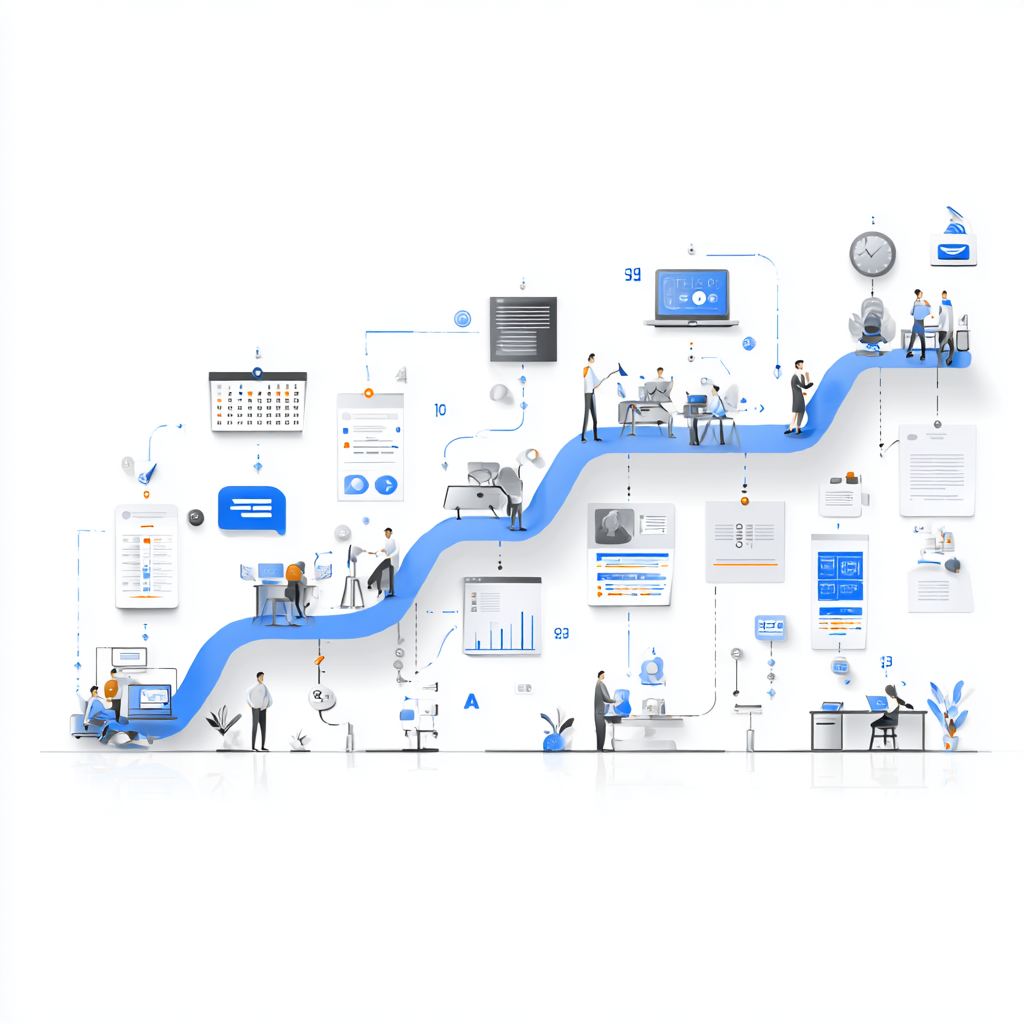
What is changing right now.
AI agents are quickly becoming the next practical layer of business automation.
Unlike a basic chatbot or one-off prompt, an AI agent can complete tasks across systems. It can interpret requests, follow rules, take actions, and escalate when needed. That makes it useful for the kinds of work SMB teams deal with every day: triaging inbound requests, following up on leads, collecting missing documents, summarizing activity, preparing reports, or handling repetitive admin.
The momentum is real. Deloitte predicted that 25% of enterprises already using generative AI would launch AI agents in 2025, rising to 50% by 2027. PwC also found that industries more exposed to AI are seeing labour productivity growth that is 4.8 times higher than less exposed sectors.
But adoption is outrunning oversight. Deloitte’s enterprise research found regulatory compliance rose from 28% to 38% as the primary barrier to generative AI deployment, and 69% of organizations said it would take at least a year to put a comprehensive governance strategy in place. Grant Thornton’s 2026 survey found that 78% of executives were not confident they could pass an independent AI governance audit within 90 days. That gap matters even more when private or regulated data is involved.

The Code01 perspective.
At Code01, we do not think SMBs need “more AI tools.”
They need intelligent systems that fit real business workflows, respect privacy, and operate within clear boundaries. That is especially important with AI agents.
A useful AI agent is not just one that can act. It is one that can act within policy. It knows where it is allowed to pull information from, what actions it can take, when a human needs to review something, and how to keep sensitive data protected.
This is where PAII, or Private AI Infrastructure, becomes important.
Private AI Infrastructure means the business is not forced to run sensitive workflows through public, uncontrolled environments. It creates a more secure foundation for AI by keeping access, data handling, permissions, and workflow logic aligned to the organization’s standards. In practical terms, that means businesses can adopt AI agents without giving up control of where data goes, who can access it, or how outputs are governed. For SMBs, that is often the difference between experimenting with AI and actually operationalizing it.

What this looks like in practice.
A well-designed AI agent for an SMB might:
- Review inbound emails and route them based on urgency
- Draft follow-ups while leaving final approval to staff
- Collect missing forms or documents before an appointment or onboarding call
- Summarize customer conversations into the CRM
- Prepare end-of-week reporting for managersFlag exceptions, risks, or missing information for human review
In a clinic setting, that could mean helping staff reduce admin around scheduling, intake, and patient communication, while ensuring sensitive information stays within approved systems and review paths. In a broader SMB context, it means taking repetitive operational work off already stretched teams without introducing unnecessary compliance exposure.
Where businesses go wrong.
The biggest mistake is treating AI agents like magic, but they are not.
They need rules, permissions, boundaries, and human checkpoints. They need to be connected to the right workflows, not dropped into the business as a novelty. And they should not be handling sensitive processes in a public or loosely governed way.
Another common mistake is assuming compliance only matters in heavily regulated industries.
In reality, every business has private information to protect. Customer details, employee records, contracts, pricing, financial data, internal communications, all of it matters. Trust is part of compliance, even when regulation is lighter.

The bigger picture.
The future is not humans versus AI. It is businesses designing smarter operating models where people and intelligent systems work together.
For SMBs, that future does not belong to the companies that adopt AI the fastest. It belongs to the ones that adopt it with the most clarity. The winners will be the businesses that build AI into their workflows in a way that improves service, reduces friction, protects sensitive information, and keeps humans in control where it matters most.
That is the real promise of AI agents. Not more noise, not more tools, but better operations.
Closing.
AI agents can help SMBs move faster, serve customers better, and reduce manual workload. But the real value comes when those agents are built with compliance, privacy, and control from the start.
That is how AI becomes sustainable, not just impressive.
If your business is exploring AI agents and wants to do it in a way that protects privacy, supports compliance, and creates real operational value, Code01 can help you design the right foundation.
https://cod01.ai